Mama of a Warrior: Skin Cancer Awareness Design Review
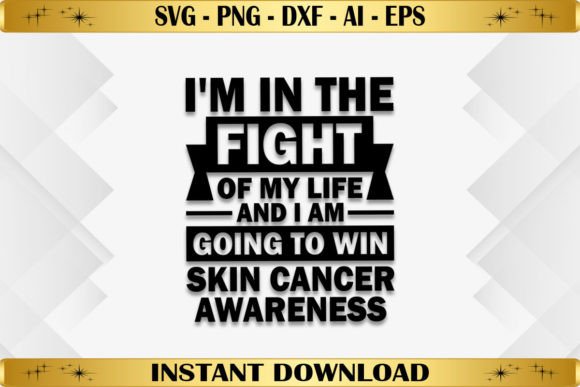
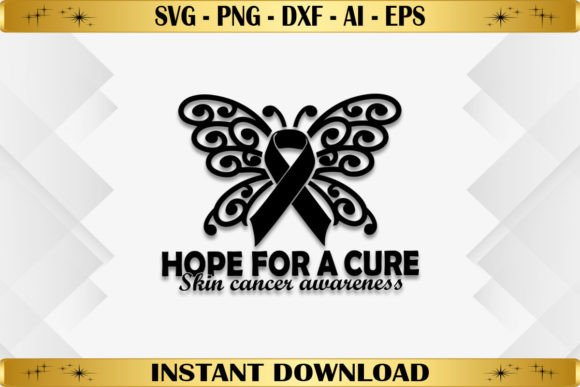
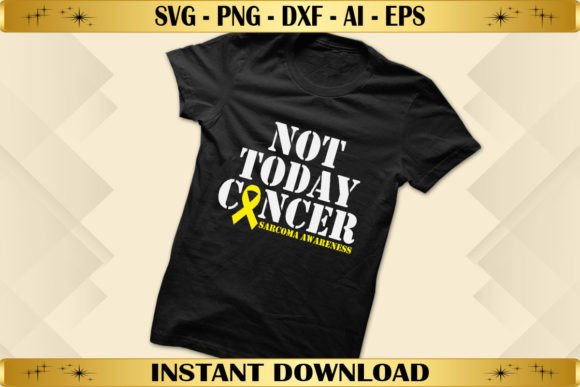
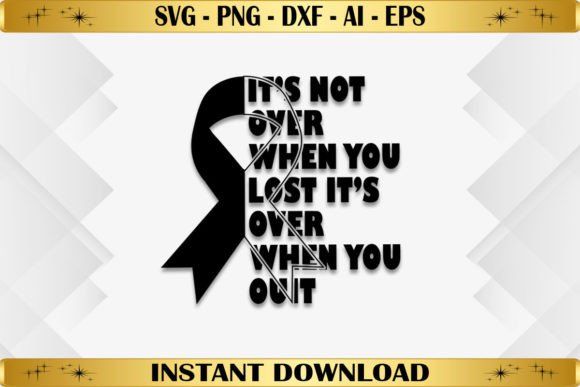
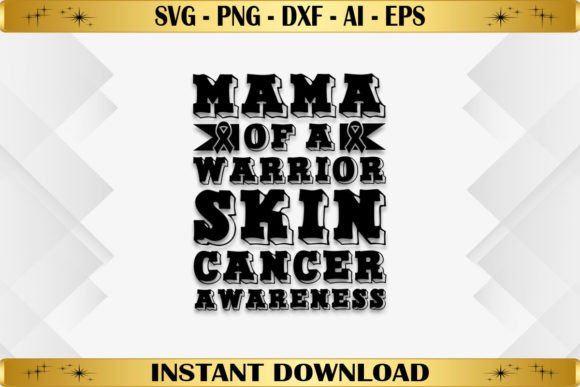
As an embroidery digitizer and product reviewer, I approach every new machine embroidery design with a critical eye toward stitchability and emotional resonance. When evaluating the "Mama of a Warrior Skin Cancer Awareness" graphic for potential use in real-world projects, my first impression is one of purposeful clarity. This isn't just another awareness ribbon; it carries a specific narrative weight that speaks directly to caregivers and mothers. The visual personality balances strength with tenderness, making it an excellent candidate for custom apparel and meaningful personalized gifts. However, translating a vector graphic into thread requires careful consideration of how those clean lines will behave on fabric.
Evaluating Visual Weight for Embroidery Translation
The source files for this product include SVG, PNG, DXF, AI, and EPS formats. While these are marketed as print-ready files for T-Shirt Designs and Graphics, they serve as vital blueprints for digitizers. Before loading this into embroidery software, I assess the line weight and negative space. For a sweatshirt embroidery project or a heavy canvas tote bag design, the bold typography typically associated with "Warrior" themes translates beautifully into satin stitch columns. The solid shapes allow for good coverage without requiring excessive density that could pucker lighter fabrics.
However, if you plan to adapt this digital embroidery file for smaller items like baby onesies or pocket-sized patches, caution is necessary. Intricate details in the original vector art may need simplification. A complex illustration that looks stunning on screen can become a muddy blob of thread at three inches wide. As a designer, I recommend isolating the core text and primary symbol for smaller hoop sizes. This ensures the message remains legible and the stitch density stays manageable, preventing needle breaks or fabric distortion during production.
Real-World Application: The Custom Sweatshirt Scenario
To truly test the viability of "Mama of a Warrior Skin Cancer Awareness," I recently prepared a custom crewneck sweatshirt for a client whose child is undergoing treatment. This scenario highlights the practical challenges and triumphs of using this design. Sweatshirts present a unique texture; the fleece backing and knit face require a robust stabilizer strategy to prevent the design from sinking into the fabric pile.
In this application, the design’s layout worked exceptionally well centered on the chest. The emotional impact was immediate. Because the artwork features distinct elements, I was able to utilize color changes strategically to highlight the skin cancer awareness aspect without overwhelming the garment. Using a high-contrast thread against a heather grey sweatshirt ensured the design popped visually. This is where having the original AI or EPS file becomes invaluable; I could adjust spacing between letters slightly to accommodate the fill stitch expansion that naturally occurs on textured knits. The result was a professional, boutique-quality handmade product that felt durable enough for frequent washing—a non-negotiable factor for medical advocacy gear.
Fabric Compatibility and Stabilization Strategy
Not all substrates treat this design equally. Based on my testing, here is how "Mama of a Warrior Skin Cancer Awareness" performs across different materials:
- Cotton T-Shirts: Ideal for medium-weight designs. Use a cut-away stabilizer to support the stitch load. The design sits flat and washes well, making it perfect for fundraising events or family reunion shirts.
- Canvas Tote Bags: Excellent stability. You can run higher density satin stitches here without fear of puckering. This makes the tote a great vessel for carrying medical supplies or awareness literature.
- Stretchy Performance Wear: Proceed with caution. If adapting this for moisture-wicking fabric, use a ballpoint needle and lightweight mesh stabilizer. Reduce density by 10-15% to maintain the fabric's stretch and breathability.
- Caps and Curved Surfaces: Only attempt if the design has been specifically redigitized for caps. Flat vector graphics often distort on curved brims. Ensure the text follows the curve properly to avoid registration issues.
Commercial Viability for Etsy Sellers and Small Shops
For Etsy sellers and creative entrepreneurs, this design offers significant commercial potential, provided it is executed with professionalism. Buyers seeking skin cancer awareness items are often emotionally invested; they notice sloppy stitching, poor contrast, or misaligned elements immediately. Trust is built through quality. When listing a finished product featuring "Mama of a Warrior Skin Cancer Awareness," your photos should clearly show the texture of the embroidery, not just a digital mockup.
I strongly advise creating physical samples before listing. Test the design on both light and dark backgrounds. Sometimes, what reads well in a printable mockup fails in reality due to thread sheen or color blending. For example, yellow awareness ribbons can disappear on gold or beige fabric but sing on navy blue. Documenting these successful combinations helps guide your customers and reduces return rates. Furthermore, always verify the licensing terms included in your zip folder. Confirm whether you have rights to sell the physical embroidered items, the digital files, or both. Respecting intellectual property is foundational to running a sustainable craft business.
Technical Notes for Digitizers and Makers
Before you stitch out "Mama of a Warrior Skin Cancer Awareness" for a paying customer or a cherished gift, run through this practical checklist:
- Verify File Integrity: Open the SVG or EPS in your digitizing software to ensure all paths are closed and nodes are clean. Vector artifacts can cause unexpected jumps in embroidery software.
- Check Minimum Text Height: If the design includes small supporting text, ensure it meets the minimum height for your chosen font style. Satin stitch text generally needs to be at least 6mm tall to remain legible.
- Test Stitch Density: Run a sample on scrap fabric identical to your final project. Feel the back of the embroidery; if it feels stiff like cardboard, reduce the density. If the fabric shows through, increase it or add an underlay.
- Thread Color Contrast: View your thread selection in natural light. Skin cancer awareness often utilizes specific color palettes; ensure your thread matches the recognized awareness colors accurately while maintaining visibility against the garment.
- Wash Test: For items intended for daily wear, wash and dry your test swatch. Check for thread shrinkage or stabilizer residue. This step separates hobbyist work from professional commercial embroidery.
Balancing Emotion with Technical Execution
Ultimately, "Mama of a Warrior Skin Cancer Awareness" succeeds because it bridges the gap between advocacy and artistry. Whether you are creating a holiday embroidery gift for a fellow warrior mom, producing merchandise for a charity walk, or expanding your shop’s niche offerings, the technical execution must honor the sentiment. A poorly stitched awareness design can inadvertently diminish the message it seeks to amplify.
By treating the provided vector assets as a starting point rather than a final destination, you elevate the final product. Pay attention to the interplay of running stitch details and solid fills. Consider the end-user who will wear or display this item. They aren't just looking for a graphic; they are looking for recognition, solidarity, and hope. When your stitching is crisp, your stabilization is invisible, and your color choices are thoughtful, the design transcends being merely a file in a zip folder. It becomes a tangible symbol of support, crafted with the same resilience and care that the "Mama of a Warrior" title implies. Always prioritize test stitches and fabric compatibility to ensure your tribute stands the test of time and wear.