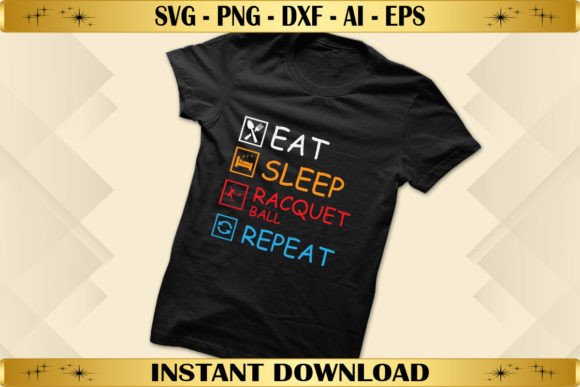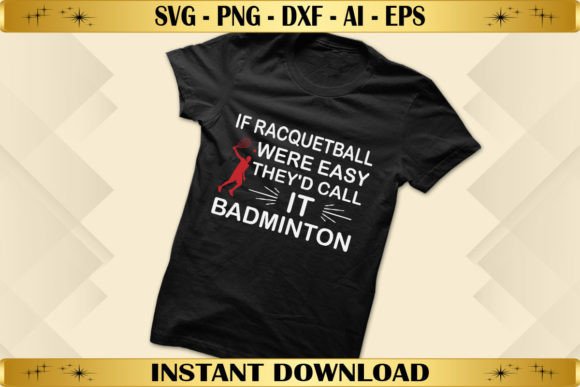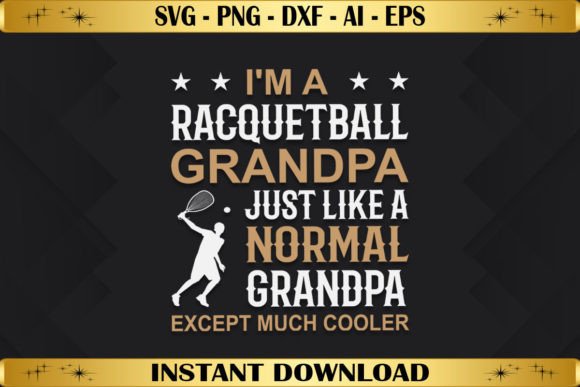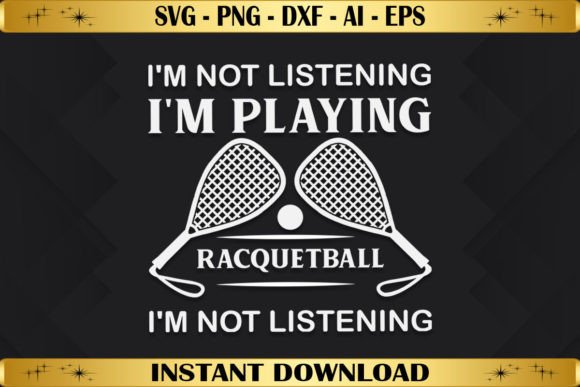
Racquetball Legend: Graphics & T-Shirt Designs Review
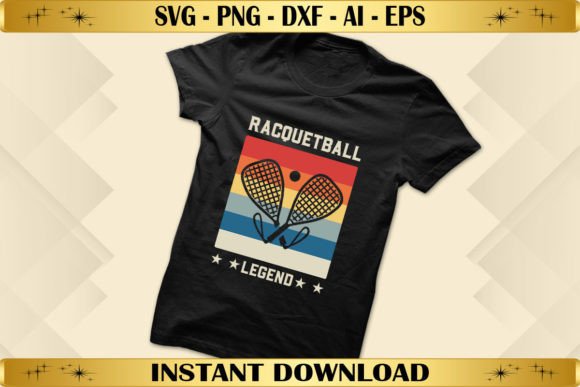
As a brand designer who frequently audits visual assets for small business campaigns, my first impression of Racquetball Legend is that it captures a very specific, nostalgic energy. When reviewing this graphic design asset, I am not just looking at lines and curves; I am evaluating its potential to communicate authority and passion within the racquet sports niche. The aesthetic immediately suggests a retro-modern vibe, bridging the gap between vintage athletic wear and contemporary street style. For content creators and marketers, this mood is crucial because it triggers an emotional connection with enthusiasts who value the heritage of the sport while still engaging a younger demographic interested in throwback aesthetics.
In a real-world marketing scenario, imagine a local racquetball club or an independent apparel brand launching a "Summer League" campaign. They need visuals that feel authentic rather than generic. This is where Racquetball Legend shines as a centerpiece for t-shirt designs and promotional merchandise. It avoids the sterile look of stock vector art, offering instead a handcrafted quality that builds audience trust. When used correctly, this illustration signals that the brand understands the culture, which is essential for converting casual browsers into loyal community members.
Evaluating Versatility Across Marketing Channels
When integrating Racquetball Legend into a comprehensive content marketing strategy, versatility is non-negotiable. In my recent project workflow, I tested this asset across multiple touchpoints to see if it could maintain visual consistency. As a hero graphic for a landing page, the design commands attention without overwhelming the copy. It serves as an excellent anchor for web design, particularly when paired with clean sans-serif typography that balances the intricate details of the illustration.
For social media graphics, specifically Instagram posts and Pinterest pins, the asset performs exceptionally well. The bold silhouette reads clearly even on mobile screens, which is vital for stopping the scroll. However, its utility extends beyond digital ads. I found it highly effective for packaging design and product labels. Imagine printing this on a hang tag for a new line of performance grips or using it as a sticker included in shipping boxes. These tangible applications of printable design reinforce brand identity long after the purchase is made. For digital sellers creating Canva templates, this graphic provides a ready-made focal point that saves hours of custom illustration time while maintaining a professional branding standard.
Strategic Placement for Maximum Campaign Impact
To leverage Racquetball Legend effectively, you must understand where it adds value versus where it creates clutter. This creative design works best as a primary visual element in campaign headers, event flyers, and editorial layouts. It has enough weight to stand alone as a poster or serve as the main graphic in a digital product bundle. When designing lead magnets like "Training Guides" or "League Rulebooks," placing this asset on the cover establishes immediate relevance and increases perceived value.
Conversely, there are environments where caution is required. Because Racquetball Legend possesses distinct character and detail, it should be used carefully in dense information layouts or text-heavy Facebook ads. If your ad copy is long, this illustration might compete for cognitive load, reducing conversion rates. Similarly, for ultra-minimalist luxury brands, the retro nature of this clipart might clash with a stark, high-end aesthetic unless intentionally used as an ironic contrast. Always prioritize visual hierarchy; the graphic should support the message, not obscure it.
Technical Asset Review: File Formats and Production Readiness
A major factor in my recommendation of this asset is the comprehensive file structure provided in the Racquetball Legend SVG Design Print Ready Files. You will receive files in a zip compressed folder containing 1x SVG file, 1x PNG file, 1x DXF file, 1x AI file, and 1x EPS file. Just download and print on your products or import directly into your design software. From a production standpoint, having the AI and EPS files is critical for professional branding. These vector formats allow me to scale the graphic for a massive trade show banner or shrink it for a business card without losing a single pixel of quality.
The inclusion of the DXF file makes this accessible for crafters using cutting machines, expanding its use case for small business owners creating physical merchandise in-house. Meanwhile, the transparent PNG is indispensable for social media managers who need to quickly overlay the graphic onto colored backgrounds in Canva or Photoshop. This level of format diversity transforms a simple illustration into a robust commercial design tool capable of handling everything from Etsy listings to large-scale print runs.
Designer Notes: Testing, Pairing, and Licensing
Before deploying Racquetball Legend in a paid campaign, I always run a series of practical stress tests. First, test it against your existing brand color palette. While the asset likely comes in a default colorway, recoloring it to match your specific hex codes ensures visual cohesion. Check black and white usage as well; a strong graphic must hold up in monochrome for receipts, embossing, or single-color screen printing. I also recommend placing the asset inside real campaign mockups before finalizing. Seeing it on a textured fabric mockup versus a flat digital screen can reveal contrast issues that need adjusting.
Typography pairing is another area requiring deliberate choice. This graphic has a dynamic, illustrative personality. It pairs beautifully with bold display fonts or rugged slab serifs for a cohesive athletic look. Avoid delicate scripts or overly thin sans-serifs, as they may get visually lost next to the detailed artwork. Review spacing and balance meticulously; ensure there is adequate negative space around the illustration to let it breathe, especially in email banners and website headers.
Finally, never overlook the importance of licensing. Confirm commercial license terms before using this asset in client work or for-profit advertising. Understanding whether you can use the graphic in digital products for resale versus physical end-products protects your business from legal pitfalls. When sourced from a reputable creative marketplace, assets like Racquetball Legend offer a cost-effective alternative to custom illustration, provided you respect the usage guidelines.
Building Audience Trust Through Niche-Specific Visuals
Ultimately, the value of Racquetball Legend lies in its ability to signal authenticity. In a saturated market, generic visuals fail to convert because they lack soul. This graphic design asset speaks the language of the racquetball community. Whether you are an online coach selling training programs, a blogger writing about tournament history, or a shop owner selling gear, using niche-specific art demonstrates respect for the audience's passion.
This emotional resonance translates directly to better engagement and stronger recognition. When followers see a design that reflects their identity, they are more likely to share, save, and purchase. By integrating this asset thoughtfully into your modern design workflow, you move beyond decoration and start building a visual narrative that supports long-term business growth. It is not just about making things look good; it is about making your brand feel like it belongs in the hands of the people you serve.