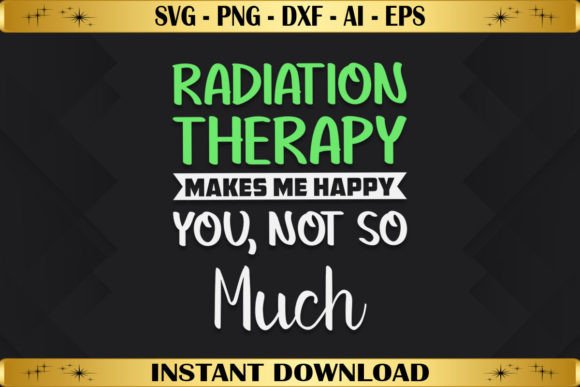
Radiation Therapy Makes Me Happy You Not Graphics
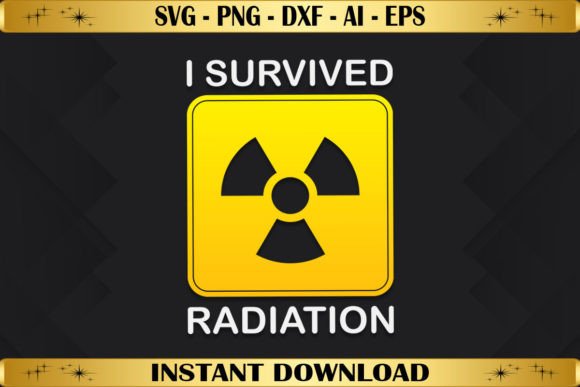
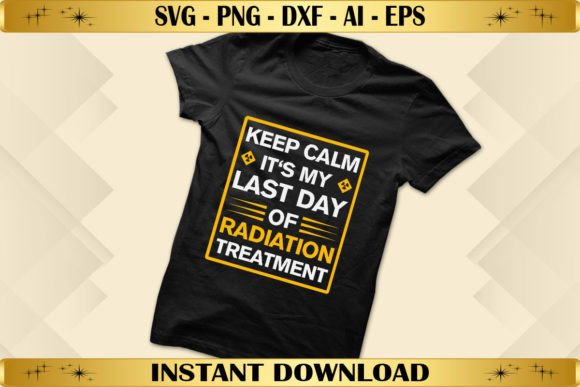
As a digital publisher and blog designer, I constantly evaluate how specific visual assets translate from a raw file to a live editorial environment. When reviewing Radiation Therapy Makes Me Happy You Not, my primary focus is not just on the novelty of the phrase, but on its utility as a functional piece of content marketing infrastructure. This graphic design asset occupies a unique space in the health and wellness niche, specifically targeting cancer survivors, caregivers, and medical humor communities. The editorial mood it creates is distinctly resilient yet lighthearted, striking a delicate balance between acknowledging a difficult medical reality and asserting personal agency through humor.
From a web design perspective, this asset feels authentic and community-driven rather than clinical or sterile. It supports content that aims to build reader trust through shared experience. For bloggers and newsletter creators operating in the patient advocacy or survivor lifestyle space, this design signals that the content within is safe, relatable, and human-centric. It avoids the overly polished aesthetic of corporate healthcare sites, favoring instead a bold, declarative style that resonates with individuals navigating treatment. As a T-shirt design originally, its typography is inherently legible and impactful, which translates exceptionally well to digital thumbnails and social media graphics where clarity is paramount.
Editorial Applications Across Digital Platforms
In a real publishing workflow, versatility is the metric by which I judge any digital download. The Radiation Therapy Makes Me Happy You Not So Much SVG Design Print Ready Files package provides the necessary formats to execute a cohesive visual strategy across multiple touchpoints. Receiving a zip compressed folder containing 1x SVG, 1x PNG, 1x DXF, 1x AI, and 1x EPS file ensures that whether I am designing a website header or a printable lead magnet, the source material is adequate.
For blog featured images, the SVG format is invaluable. Because it is vector-based, I can scale the graphic to fit wide hero banners without pixelation, ensuring crisp edges on high-resolution retina displays. The PNG file serves as an immediate solution for Pinterest pins, where transparent backgrounds allow for seamless integration over colored templates or textured backdrops. In my experience creating affiliate marketing content for medical products or wellness journals, having an AI or EPS file allows me to open the asset in Adobe Illustrator to adjust colors to match specific brand identity guidelines or to isolate elements for use in Canva templates.
This asset shines brightest when used to create downloadable resources. Imagine a digital guide titled "Finding Humor During Treatment" or a printable affirmation card set for chemo bags. The bold typography of Radiation Therapy Makes Me Happy You Not acts as a perfect cover element for these PDFs. Furthermore, for email marketers, this graphic works effectively as a newsletter header for segments dedicated to survivor stories or mental health check-ins, instantly communicating the tone of the issue before the subscriber reads a single word of copy.
Enhancing Visual Hierarchy and Reader Engagement
Visual hierarchy dictates how readers consume information, and this graphic design asset supports strong hierarchical structures due to its typographic weight. In content marketing, we often struggle with text-heavy blog images that fail to capture attention in crowded feeds. This design solves that problem by utilizing high-contrast lettering that remains readable even at small sizes. When used as a category thumbnail for a "Survivor Humor" or "Treatment Life" section, it provides immediate visual recognition, helping users navigate the site intuitively.
The emotional resonance of this creative design also plays a role in click-through potential. On platforms like Pinterest or Instagram, users scroll quickly. A graphic that articulates a complex feeling—finding happiness despite hardship—stops the scroll because it validates the user's internal narrative. This is crucial for affiliate marketers and educators who need to bridge the gap between awareness and engagement. By using this asset in social media previews, publishers can signal empathy and relevance, fostering a stronger connection that leads to higher time-on-page metrics once the user clicks through to the article.
Strategic Placement and Contextual Awareness
While versatile, this asset requires thoughtful placement to maintain editorial integrity. It works best in spaces dedicated to personal narrative, community support, merchandise showcases, and lifestyle blogging. Hero images for personal essays, product mockups for print-on-demand stores, and accent graphics for fundraising campaigns are ideal environments. The modern design sensibility allows it to pair well with both minimalist layouts and more eclectic, scrapbook-style editorial designs.
However, publishers must exercise caution. This graphic should be avoided in strictly clinical educational content, obituary notices, or formal medical advice columns where humor could be misinterpreted as dismissive. Additionally, while the SVG scales infinitely, the complexity of the script or font style (depending on the specific rendering) may lose detail in extremely small mobile favicons or dense navigation menus. It is also vital to consider contrast; placing this design on a busy photographic background without a solid overlay or shadow effect will destroy readability. Always prioritize legibility over decoration, especially when the message itself is the primary value proposition.
Publisher Workflow and Technical Best Practices
Before deploying Radiation Therapy Makes Me Happy You Not on a live site, I recommend a rigorous testing protocol. First, verify the commercial license included with your purchase. If you are using this on a monetized blog, an affiliate page, or within a paid digital product, you must confirm that your usage rights cover commercial design applications. Never assume a standard download includes full commercial clearance.
Next, test the asset in context. Do not rely solely on the preview file. Import the SVG into your actual WordPress or Squarespace media library and view it on both desktop and mobile devices. Check how the negative space interacts with your headline text; you may need to adjust padding or margins to prevent visual crowding. Experiment with pairing the graphic against different typefaces: a clean sans-serif body font usually balances the decorative nature of the quote best, whereas a competing script font can create visual chaos.
- File Optimization: Even though SVGs are lightweight, ensure any exported PNGs for web use are compressed properly to maintain fast load times and Core Web Vitals scores.
- Color Testing: View the design in grayscale to ensure it retains impact without color reliance, accommodating accessibility needs and black-and-white printing options.
- Mockup Validation: Before selling or promoting merchandise featuring this design, create realistic mockups to verify placement and sizing on actual garments or paper products.
- Brand Consistency: If your site uses a specific color palette, utilize the AI or EPS files to recolor the asset to match your brand identity, ensuring it doesn't look like a generic stock addition.
Ultimately, Radiation Therapy Makes Me Happy You Not is more than just a novelty graphic; it is a strategic tool for niche publishers. When handled with technical precision and editorial sensitivity, it enhances visual communication, strengthens community bonds, and elevates the professional quality of health-related content. Whether you are building a lead magnet, designing a shop, or simply trying to make a blog post feel more human, this asset offers the flexibility and emotional weight necessary for meaningful digital publishing.