Nana Est.2023: A Designer’s Embroidery Review
First Impressions of the Nana Est.2023 Layout
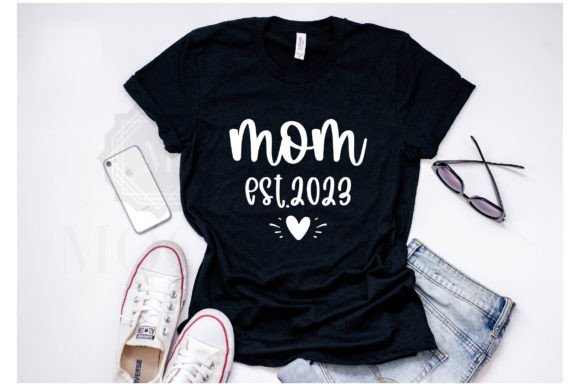
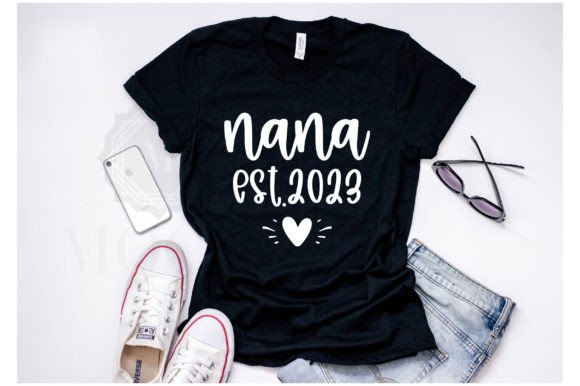
When evaluating a new machine embroidery design for family-themed merchandise, the balance between sentiment and stitchability is everything. My first impression of Nana Est.2023 is that it captures a specific, nostalgic warmth without becoming overly cluttered. As a designer who regularly reviews T-Shirt Designs and Graphics for production viability, I look for clean lines and legible typography. This design succeeds because it treats the establishment date as a badge of honor rather than an afterthought. The layout feels centered and intentional, suggesting it was created with a finished product in mind rather than just being a digital vector converted hastily into stitches.
The visual personality here is classic yet modern enough for contemporary custom apparel. It avoids the chaotic script fonts that often cause thread breaks or registration issues on stretchy fabrics. Instead, the lettering appears structured, which is crucial when you are digitizing for real-world application. For an Etsy seller or small shop product creator, this aesthetic signals quality. It tells the buyer that the item was thoughtfully designed, not just slapped onto a garment. The mood is celebratory but grounded, making it versatile for everything from holiday gifts to everyday wear.
Real-World Application: Stitching a Custom Sweatshirt
To truly understand how Nana Est.2023 performs, we have to move beyond the screen and into the hoop. Recently, I prepared a custom crewneck sweatshirt for a client wanting a personalized gift for her mother-in-law. This scenario is perfect for testing because fleece-backed sweatshirts present unique challenges regarding texture and stabilization. Using this design as a centerpiece, I focused on how the "Est. 2023" element interacted with the thicker fabric grain.
In this sweatshirt embroidery project, the design held its integrity beautifully. Because the artwork is provided in high-resolution PNG (300 DPI), EPS, SVG, and DXF formats, tracing or redigitizing for specific machine requirements is straightforward. However, always verify your specific embroidery file compatibility before starting. On the sweatshirt, the text remained crisp even against the fuzzy texture of the cotton blend. This is where having a well-proportioned design matters; if the letters were too thin, they would have sunk into the pile. If they were too dense, the fabric would have puckered. Nana Est.2023 struck that necessary middle ground, resulting in a professional finished product that looked boutique-ready straight out of the hoop.
Fabric Considerations and Stabilizer Strategy
While this design shines on stable knits, experienced makers know that versatility requires caution. When applying Nana Est.2023 to different substrates, your choice of stabilizer becomes the deciding factor between success and failure.
- Cotton T-Shirts: Use a medium-weight cutaway stabilizer. The design likely contains elements that require consistent support to prevent tunneling on lightweight jersey knits.
- Tote Bag Design: Canvas and denim are forgiving, but ensure your hoop size accommodates the full width without distorting the corners. A tear-away stabilizer usually suffices here unless the design has extremely high stitch density.
- Baby Embroidery: If adapting this for a onesie or bib, scale is critical. Reduce the size carefully, checking that no internal details become smaller than 1mm. Always use a soft, no-show mesh stabilizer to keep the back comfortable against sensitive skin.
- Kitchen Towels: Textured terry cloth demands a water-soluble topping to prevent stitches from sinking. Test the contrast of your thread colors against the towel color first; white thread on cream linen can get lost visually.
For those creating commercial embroidery items, consistency across these different fabrics builds brand trust. You cannot sell a premium handmade product if the stitching looks wobbly on one shirt and perfect on another. This design’s geometry supports consistent results, provided you respect the fabric's physical limitations.
Technical Notes for Digitizers and Makers
As a reviewer, I must emphasize that receiving SVG, DXF, EPS, and PNG files means you have excellent source material, but you must confirm the final stitch format for your specific machine. Not all machines read vector graphics directly for embroidery. Before listing any digital embroidery file or selling physical goods derived from Nana Est.2023, run a mandatory test stitch-out.
Check the following technical aspects during your trial run:
- Stitch Density: Inspect the fill areas. Are they too thick for the intended fabric? Overly dense areas can cause needle deflection or fabric distortion.
- Underlay Structure: Ensure there is adequate underlay, especially for the text portions. This lifts the fabric fibers and creates a smooth foundation for the top stitches.
- Jumps and Trims: Evaluate the pathing. Excessive jump stitches increase production time and post-processing cleanup. A well-digitized version of this design should minimize unnecessary travel runs.
- Small Detail Clarity: Look closely at the "2023" numerals. If they are rendered as satin stitches, ensure they are wide enough to prevent fraying. If they are running stitches, verify they remain legible at smaller scales.
These checks are non-negotiable for maintaining professionalism. Whether you are making an embroidered patch, a pillow cover, or a holiday cardigan, the technical execution defines the perceived value.
Commercial Viability and Product Presentation
For creative entrepreneurs and craft business owners, Nana Est.2023 offers strong commercial potential. Family-centric designs evergreen sellers, particularly around Mother’s Day, Christmas, and birthday seasons. However, market saturation means your presentation must be superior. Use the included high-resolution PNG to create accurate printable mockup previews for your listings. Customers need to visualize how the design sits on the chest of a tee or the center of an apron.
When marketing this as part of your design assets portfolio or finished inventory, highlight the emotional connection. Don't just list specs; describe the feeling of wearing a garment that honors family history. This narrative approach increases buyer engagement. Furthermore, always clarify licensing. Confirm whether you are permitted to sell physical products made with this design or if the license restricts usage to personal projects. Transparency here protects your shop and builds long-term customer confidence.
Ultimately, Nana Est.2023 is more than just a collection of vectors; it is a foundational element for meaningful personalized gift creation. Its clean aesthetic allows it to transition seamlessly from a casual tote bag design to a cherished heirloom piece. By approaching this design with technical diligence and creative empathy, you elevate it from a simple graphic to a professional-grade embroidery asset that resonates with buyers and recipients alike. Remember to respect the interplay between digital art and physical thread, and your results will consistently reflect the high standards of your craft.