NY City Boy: A Designer’s Embroidery Review
As a professional embroidery designer and product reviewer, I approach every new graphic with a specific question: will this actually stitch out well, or is it just a pretty picture on a screen? When evaluating NY City Boy, my assessment goes beyond the aesthetic appeal of the typography and illustration. While this asset is marketed as a high-resolution 4500×5400 pixel vector for print, its bold structure suggests significant potential for adaptation into a machine embroidery design. For fellow makers, Etsy sellers, and apparel decorators, understanding how to translate this digital graphic into a tangible finished product is the difference between a frustrated customer and a loyal repeat buyer.
First Impressions and Urban Aesthetic
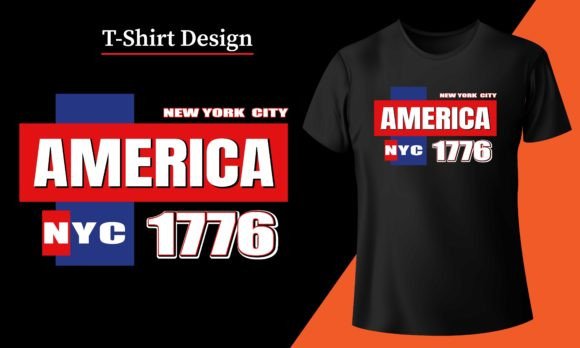
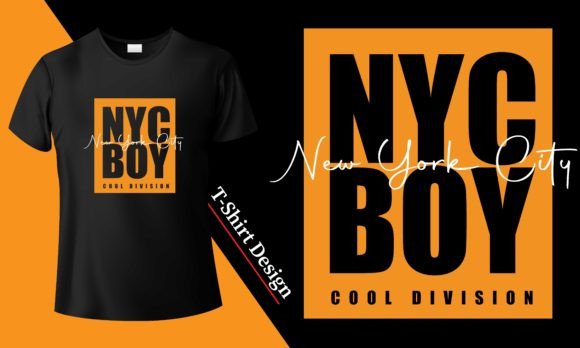
The immediate mood of NY City Boy is confident, nostalgic, and distinctly urban. The layout balances typographic weight with illustrative elements that evoke the energy of New York without feeling cluttered. From a design perspective, this balance is crucial. In T-Shirt Designs, we often see graphics that are too intricate for thread, but this composition appears to have distinct shape separation. This is promising for digitizing because it allows for clear color blocks and defined edges. The visual personality feels authentic rather than generic, which matters immensely when you are selling custom apparel or personalized gifts to customers who value genuine style over fast fashion trends.
Real-World Application: The Heavyweight Sweatshirt Test
To truly evaluate this design, I mentally placed it in a real-life production scenario. Imagine preparing a custom order for a boutique client requesting a vintage-style NYC souvenir sweatshirt. This is where NY City Boy shines brightest. The bold lettering and solid shapes are ideal candidates for conversion into an applique design or heavy fill stitch work. On a heavyweight cotton fleece, the design would provide necessary stability and texture. A printed t-shirt might look flat, but an embroidered version adds tactile value that justifies a higher price point for your small shop product.
In this scenario, I would envision using a combination of techniques. The main block letters could be executed in a dense satin border with a textured fill, while smaller illustrative accents might utilize running stitch details to maintain flexibility in the garment. This approach prevents the "bulletproof vest" effect where stiff embroidery makes the sweatshirt uncomfortable. By treating NY City Boy as a blueprint for mixed-media stitching, you create a premium handmade product that stands out in a crowded marketplace of direct-to-garment prints.
Navigating Fabric Choices and Technical Constraints
While the graphic is versatile, not every substrate is suitable. As experienced embroiderers know, a design that looks perfect on screen can fail on the wrong material. Here is how NY City Boy performs across different contexts:
- Custom Apparel and T-Shirts: Proceed with caution. If adapting this large format graphic for a standard tee, you must reduce density significantly. Lightweight jersey knits cannot support heavy coverage without puckering. Use a lightweight cutaway stabilizer and consider reducing the overall size to fit within a 4x4 or 5x7 hoop size to prevent distortion.
- Tote Bag Design and Canvas: This is a safe zone. The sturdy weave of canvas or denim tote bags handles the stitch density required to replicate the bold lines of NY City Boy. The fabric texture complements the urban theme, making it an excellent choice for craft business merchandise or eco-friendly shopping bags.
- Baby Embroidery and Delicates: Avoid full-scale reproduction. For baby items, isolate specific elements of the design. Tiny lettering or complex corners may get lost or become scratchy. Simplify the artwork into softer, less dense motifs suitable for sensitive skin.
- Caps and Curved Surfaces: The horizontal span of typical NYC typography can be challenging on curved cap fronts. You may need to arc the text or resize the design to fit the limited vertical space of a hat frame. Always test on a scrap cap before committing to a final run.
Visual Appeal and Commercial Viability
For commercial embroidery businesses and digital product sellers, the perceived value of your work hinges on execution clarity. NY City Boy offers strong recognition factor; the theme is universally understood, which aids in buyer engagement. However, professionalism lies in the details. If the thread colors lack contrast against the fabric, the intricate typography will vanish. I recommend testing high-contrast combinations—like cream thread on navy fleece or black on heather grey—to ensure legibility from a distance.
Furthermore, consider how this design translates to marketing assets. Because the source file is a transparent background vector at 300 dpi, it serves double duty. You can use the original graphic for printable mockups and website listings, while offering the adapted digital embroidery file as a separate SKU or service. This consistency between your digital preview and the physical embroidered patch or garment builds customer trust. Buyers want to know that what they see in the listing matches the holiday embroidery gift or wedding present they receive.
Essential Notes for Makers and Sellers
Before you load your hoop or list this item in your shop, adhere to these practical guidelines derived from professional review standards:
- Verify Licensing and Usage: The product description confirms high-resolution print capabilities, but it does not explicitly state embroidery digitizing rights or commercial resale terms for stitched goods. Always confirm licensing before selling finished items or distributing a converted embroidery file.
- Digitize, Don't Auto-Convert: Do not rely on auto-digitizing software to convert this 4500px image directly. The resolution is for print, not stitch mapping. Manually trace or hire a professional digitizer to assign proper stitch types, pull compensation, and underlay specifically for embroidery machines.
- Test on Scrap Fabric First: Never run a new adaptation of NY City Boy on a final product first. Stitch out a sample on the exact fabric and stabilizer combination you intend to use. Inspect registration, tension, and edge definition.
- Check Small Details: Typography designs often contain thin serifs or internal counters that are too small for needle penetration. Edit these areas out or thicken them during the digitizing process to prevent needle breaks and fabric damage.
- Mockup in Black and White: Before selecting thread colors, view the design in grayscale. This reveals whether the value structure holds up without color reliance, ensuring the design remains effective even in monochrome embroidery.
Ultimately, NY City Boy represents a strong foundation for creative entrepreneurs willing to put in the technical work. It bridges the gap between trendy graphic art and classic textile craftsmanship. Whether you are creating a signature line of sweatshirt embroidery for your Etsy shop or fulfilling a custom request for a local business, success depends on respecting the medium. Treat the source graphic as inspiration rather than instruction, prioritize fabric compatibility, and always validate your stitch plan through testing. By doing so, you transform a digital asset into a lasting piece of wearable art that honors both the design and the craft of embroidery.