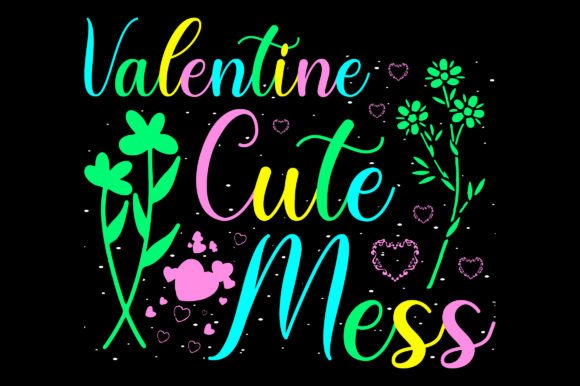
Valentine Cute Valentine Sublimation SVG Review
As a designer who bridges the gap between digital graphics and tangible textiles, I approach every new asset with a specific question: will this actually translate to thread? When evaluating the Valentine Cute Valentine Sublimation SVG, my perspective shifts from pure graphic design to practical application. While this product is listed under T-Shirt Designs and Graphics, its high-resolution 2000px by 2000px dimensions at 300 DPI make it a compelling candidate for mixed-media projects. For embroidery designers and small business owners, the value lies not just in the sublimation print itself, but in how the EPS file can serve as a precise template for creating complementary machine embroidery designs or hybrid applique pieces.
First Impressions and Visual Personality
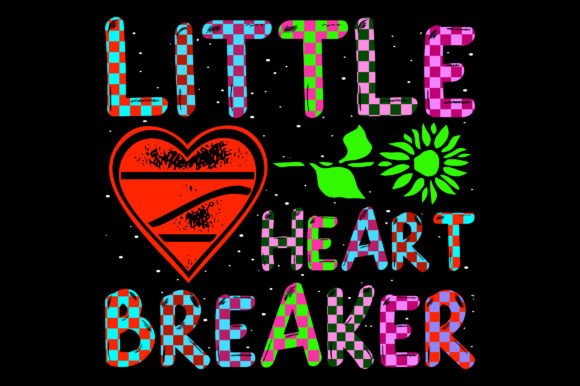
Upon opening the Illustrator CC EPS file, the first thing I assess is the line clarity and color separation. A "cute" Valentine aesthetic typically relies on soft curves, playful typography, and balanced negative space. For an embroidery project, these visual traits are critical. Sharp, jagged vectors often result in poor stitch paths, but smooth bezier curves in this EPS suggest that if you were to digitize over this template, your satin stitch borders would flow naturally without unnecessary jumps.
The mood of this design feels approachable and commercially viable for handmade products. It avoids overly complex gradients that get lost in translation, favoring distinct shapes that work well for both digital printing and needlework. As a reviewer, I appreciate that the 300 DPI PNG provides a reliable visual reference for thread color matching. When planning a custom apparel line, having a crisp source image allows me to pull exact hex codes to match my polyester or rayon threads, ensuring brand consistency across different production methods.
Real-World Application: The Hybrid Sweatshirt Project
To truly test the utility of the Valentine Cute Valentine Sublimation SVG, I envision a real-life scenario relevant to Etsy sellers and boutique owners: creating a premium holiday sweatshirt. Pure sublimation on cotton is impossible without special treatments, and pure embroidery can sometimes feel too heavy for a trendy, lightweight fleece. This is where this graphic asset shines as a foundational tool.
In this case study, I would use the PNG file to create a sublimated background element on a white polyester patch or poly-blend fabric. Then, utilizing the editable EPS file as a guide in my digitizing software, I would create a coordinating embroidery file featuring a running stitch outline and minimal fill stitch accents. The result is a mixed-media sweatshirt embroidery piece that offers the vibrant color of sublimation with the tactile, high-value texture of stitching. Customers perceive this layered approach as higher quality than a standard print, justifying a higher price point for your small shop product. The design’s layout supports this perfectly, providing enough open space for personalization, such as adding a name in a contrasting thread color above or below the main motif.
Navigating Fabric Limitations and Hoop Constraints
While the graphic is versatile, experienced makers know that execution depends heavily on the substrate. When adapting this design for physical products, you must consider fabric texture and stability. If you are using the PNG for direct sublimation before adding embroidered accents, avoid 100% cotton unless you are using sublimation spray or HTV vinyl as an intermediary. For the embroidery component derived from this art, stabilizer choice is paramount.
I advise caution when applying this design to stretchy fabrics like ribbed knits or thin jersey. The "cute" aesthetic often implies delicate details, which can distort if the hoop size is too large or the stabilization is insufficient. Always use a cut-away stabilizer for knit garments to prevent puckering around the satin stitch elements. Conversely, if you are creating an embroidered patch for denim jackets or tote bags, the design needs to be dense enough to stand up to wear. Test the design on scrap fabric first to ensure the stitch density doesn’t cause bulletproofing (stiff, hard areas) or fabric tearing.
For curved surfaces like caps, evaluate the vertical height of the design. Many cute Valentine graphics are vertically oriented, which can be challenging for cap frames. You may need to resize or rearrange elements within the EPS file to fit the limited sewing field of a hat hoop without losing the design's integrity. Always check whether the design works for both personal and commercial projects before committing to bulk production.
Enhancing Product Value and Customer Trust
In the competitive landscape of digital product sellers and craft businesses, presentation is everything. The high resolution of this Valentine Cute Valentine Sublimation SVG directly impacts your ability to sell the finished product. Blurry mockups erode buyer confidence. Because this file is 2000px square at 300 DPI, you can create professional printable mockups that accurately represent the final handmade product.
When listing on Etsy or your own site, use the PNG to show customers exactly what the colors will look like, while using close-up photos of your test stitches to demonstrate quality. This transparency builds trust. Furthermore, the fully editable nature of the EPS file means you can adapt the design for various niches—changing colors for a baby embroidery project versus a romantic wedding gift—without purchasing multiple assets. This versatility increases your return on investment and streamlines your workflow during the busy holiday season.
Essential Designer Notes for Safe Execution
Before you load your hoop or hit print, keep these practical considerations in mind to ensure professional results:
- Verify Licensing: Confirm specifically whether the license permits selling finished physical items versus digital files. The description mentions T-Shirt Designs, but terms vary regarding commercial embroidery use.
- Digitizing Check: Remember that an EPS is a vector graphic, not a stitch file. You cannot run this directly on an embroidery machine. Use it as a template to create your own digital embroidery file or hire a professional digitizer.
- Contrast Testing: View the PNG in black and white before stitching. If the design relies solely on color contrast rather than value contrast, it may disappear on dark fabric. Adjust thread colors accordingly.
- Detail Inspection: Zoom in to 400% on the EPS file. Any gaps smaller than 1mm may not register as clean satin stitches. Widen columns or convert tiny details to running stitches to maintain clarity.
- Washability: If combining sublimation and embroidery, test wash durability. Sublimated ink and polyester thread have different care requirements. Ensure your care labels reflect the most delicate component of the hybrid design.
- Mockup Accuracy: When creating listings, do not rely solely on digital renders. Stitch out at least one sample to photograph. Real-life lighting shows the sheen of the thread and the texture of the fabric, which sells the personalized gift aspect better than any flat digital image.
Ultimately, the Valentine Cute Valentine Sublimation SVG serves as more than just a graphic; it is a strategic asset for creative entrepreneurs. By understanding its technical specifications and applying thoughtful embroidery principles, you can transform a digital download into a tangible, high-margin product that resonates with buyers seeking authentic, handmade quality this Valentine's season.